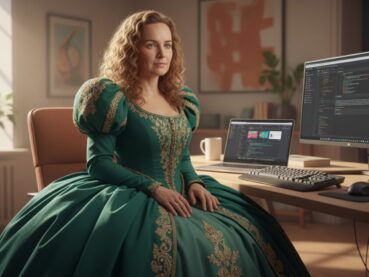



When someone posts in a Facebook group that they are looking for a web designer, the same thing usually happens. Within a few minutes, twenty comments appear below the post.
- “I’ve sent you a message.”
- “This is exactly what I do.”
- “Get in touch.”
- Or simply a link to a website.
And I always find myself wondering:
How is that person supposed to choose?

Everyone offers web design. But what makes them different?
Imagine you are the person who wrote that post. Behind every comment is someone claiming they can build a website. They all have an attractive portfolio, say they have experience and send you a private message.
If no one gives you anything more to go on, only one criterion remains: price.
And that is precisely the problem. Price matters, but it tells you very little about the real difference between individual web designers.

Most web designers try to be first. I try to understand the person.
Honestly? I do not even try to be the first person to comment. I would rather open the person’s profile, look at their website and read about what they do. I think about what makes their work special. Only then do I reply—in a way that lets them feel I have genuinely paid attention.
Not everyone can explain what makes them different
I believe this is a much bigger problem. Many business owners cannot explain why their clients choose them. But I have noticed that many web designers cannot articulate it either. They do not know what makes their work different from that of other web designers.
If you do not understand your own uniqueness, it is very difficult to communicate it. All that remains is the sentence: “I build websites.”
But twenty other people are saying exactly the same thing.

A client once said something I still think about
After one of our conversations, a client said something that stayed with me:
“You were the only one who truly gave me your time.”
Everyone else had sent her a quote or a link to their portfolio.
I had tried to understand her first.
After our conversation, I prepared a concept showing what her website could look like, how it could be structured and what it needed to communicate. I could already see her business and what set her apart. And I knew how to bring that into the online world.

A website does not begin in WordPress
Many people think a website begins with choosing a template, colours or plugins. I believe it begins much earlier.
It begins with a conversation—the moment when someone can name what you do naturally and therefore often cannot see in yourself.
That is where the copy, structure and sales journey begin to take shape. The website itself comes afterwards.

How to choose a web designer
Do not look only at the portfolio and the price. Pay attention to something else:
- Is this person genuinely interested in understanding your business?
- Do they ask questions that make you think?
- Can you tell from the way they communicate that they understand what you do?
Many people can build a website. But not everyone can see why your clients choose you.
And that, I believe, is where websites with soul begin.

Frequently asked questions about choosing a web designer
What should I look for when choosing a web designer?
A portfolio and price are important, but they are not enough on their own. Notice whether the web designer is interested in your business, asks about your clients and can identify what your website needs to communicate.
Which matters more: price or a web designer’s experience?
The lowest price is not necessarily the best choice, and years of experience alone do not guarantee that the website will feel like you. What matters is what you receive for the price and whether the person understands the purpose of your website.
What should a web designer understand before starting a website?
They should understand whom you help, what problem you solve, why clients choose you and what you want a visitor to do on your website. Only then can a meaningful structure, copy and design emerge.
Do I need to know what makes me unique before speaking to a web designer?
No. You do not need perfectly prepared answers or a polished explanation of what makes you different. A good conversation can help you see the things you do naturally—and therefore tend to take for granted.